Good Housekeeping

Session Outline

You will be able to:

  • Recognize the importance of good housekeeping
  • Understand housekeeping responsibilities
  • Develop good housekeeping habits
  • Identify and eliminate housekeeping hazards
  • Help prevent workplace fires and accidents

What You Need to Know

  • Benefits of good housekeeping
  • Costs of poor housekeeping
  • Housekeeping responsibilities
  • Good housekeeping habits
  • Common housekeeping hazards
  • How to eliminate housekeeping hazards and prevent accidents

Benefits of Good Housekeeping

  • Eliminates accident and fire hazards
  • Maintains safe, healthy work conditions
  • Saves time, money, materials, space, and effort
  • Improves productivity and quality
  • Boosts morale
  • Reflects a well-run organization

Costs of Poor Housekeeping

  • Slips, trips, and falls
  • Fires
  • Chemical and machine accidents
  • Injuries from electrical problems
  • Collisions and falling objects
  • Health problems

Good Housekeeping Habits

  • Make time for housekeeping
  • Evaluate your workspace
  • Remove hazards before starting work
  • Turn equipment off after using it
  • Clean up as you go
  • Never ignore a safety hazard

Daily Housekeeping Checklist

  • Floors
  • Aisles
  • Workstation
  • Equipment
  • Storage
  • Waste Disposal

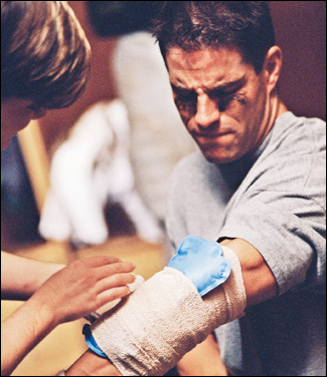
Injuries from Slips, Trips, and Falls

  • Strains and sprains
  • Torn ligaments
  • Broken bones
  • Back or spine injury
  • Death

Prevent Slips

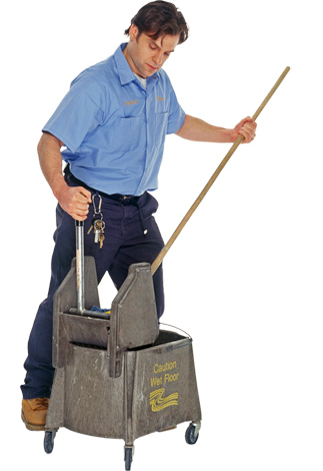
  • Clean up spills
  • Repair leaks
  • Pick up objects
  • Sweep up debris
  • Wear slip-resistant shoes

Prevent Trips

  • Clean up straps and bands
  • Put away electrical cords and air hoses
  • Don’t stack items in walkways
  • Keep drawers closed
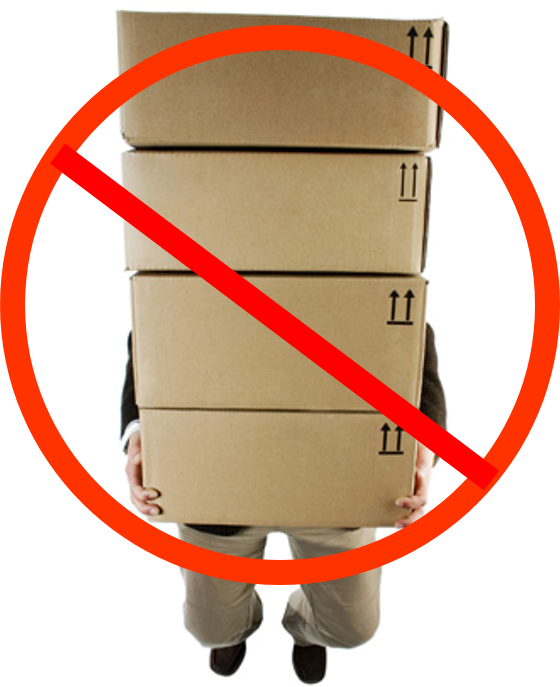
  • Be careful when you carry objects
  • Put away tools

Prevent Falls

  • Be careful on stairs
  • Use ladders safely
  • Replace fall protection chains or barriers
  • Use fall arrest equipment when required

Fire Prevention

  • Store flammable and combustible liquids in proper containers
  • Keep reactive chemicals separated
  • Prevent the accumulation of combustibles
  • Keep combustibles away from electrical equipment and hot machinery
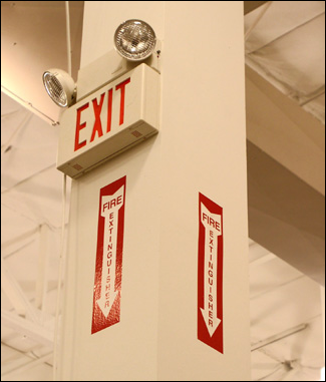
Exits and Fire Equipment

  • Keep evacuation routes clear
  • Don't block emergency exits
  • Make sure fire extinguishers are accessible
  • Ensure that electrical panels can be opened
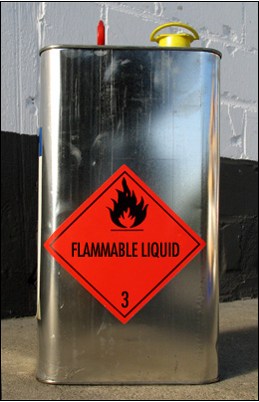
Chemical Safety

  • Make sure containers are properly labeled
  • Inspect containers for signs of damage
  • Wear required PPE
  • Follow safe storage and handling procedures
  • Clean up spills

Machine Safety

  • Keep the area around machines clear
  • Inspect machines before use
  • Make sure all guards are operating
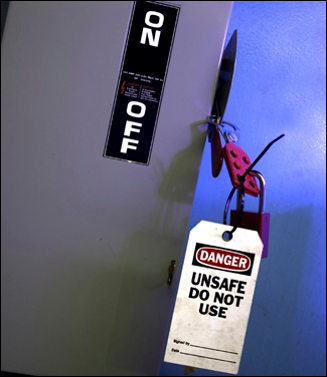
  • Follow lockout/tagout procedures
  • Clean machines and put away tools

Electrical Safety

  • Keep heaters and furnaces clear
  • Inspect electrical cords before use
  • Don't overload outlets or circuits
  • Keep combustibles away from electrical equipment
  • Keep electrical equipment clean

Prevent Cuts, Bumps, and Scrapes

  • Don't leave objects sticking out
  • Pad head hazards
  • Clean up broken glass immediately
  • Properly store blades and sharp tools
  • Properly discard old blades
  • Keep utility knives sheathed or retracted

Use the Right Equipment for Housekeeping Tasks

  • PPE
  • Brooms, vacuums, mops, sponges
  • Cleaning rags
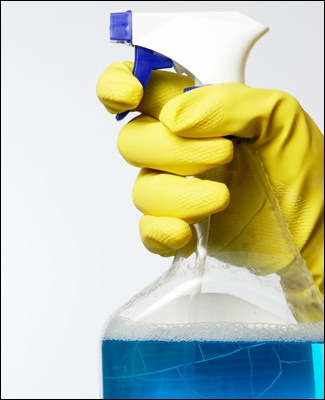
  • Cleaning compounds

Lift and Carry Safely

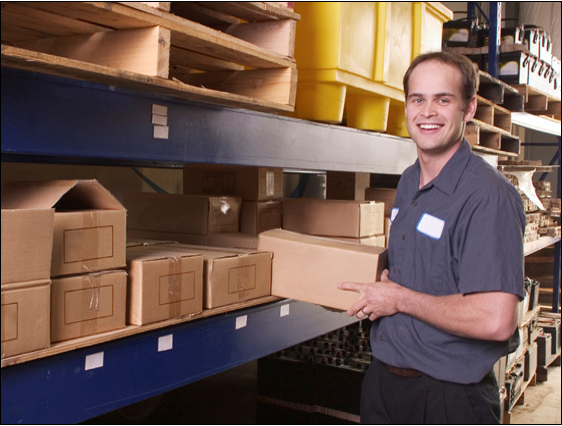
  • Check your route of travel
  • Get a good grip
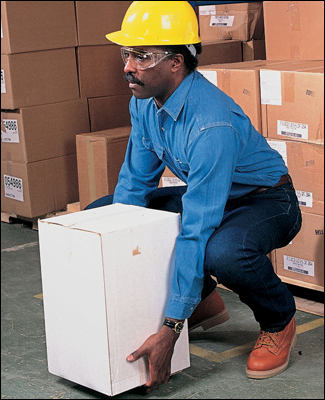
  • Lift with your legs, not your back
  • Make sure you can see over the object you're carrying
  • Watch where you're going

Key Points to Remember

  • Good housekeeping helps prevent workplace fires and accidents
  • Keeping the workplace neat, clean, and safe is everyone's responsibility
  • Keep alert to housekeeping hazards
  • Eliminate or report hazards you identify anywhere in the facility

Question(s)


Improved productivity
Eliminated fire hazards
Unhealthy working conditions
Saved time and money


Organizational management
Preventing slips, trips, and falls
Fire prevention
Chemical safety

/

#